Cybersecurity in the Healthcare Industry in FL—Why You Should Care
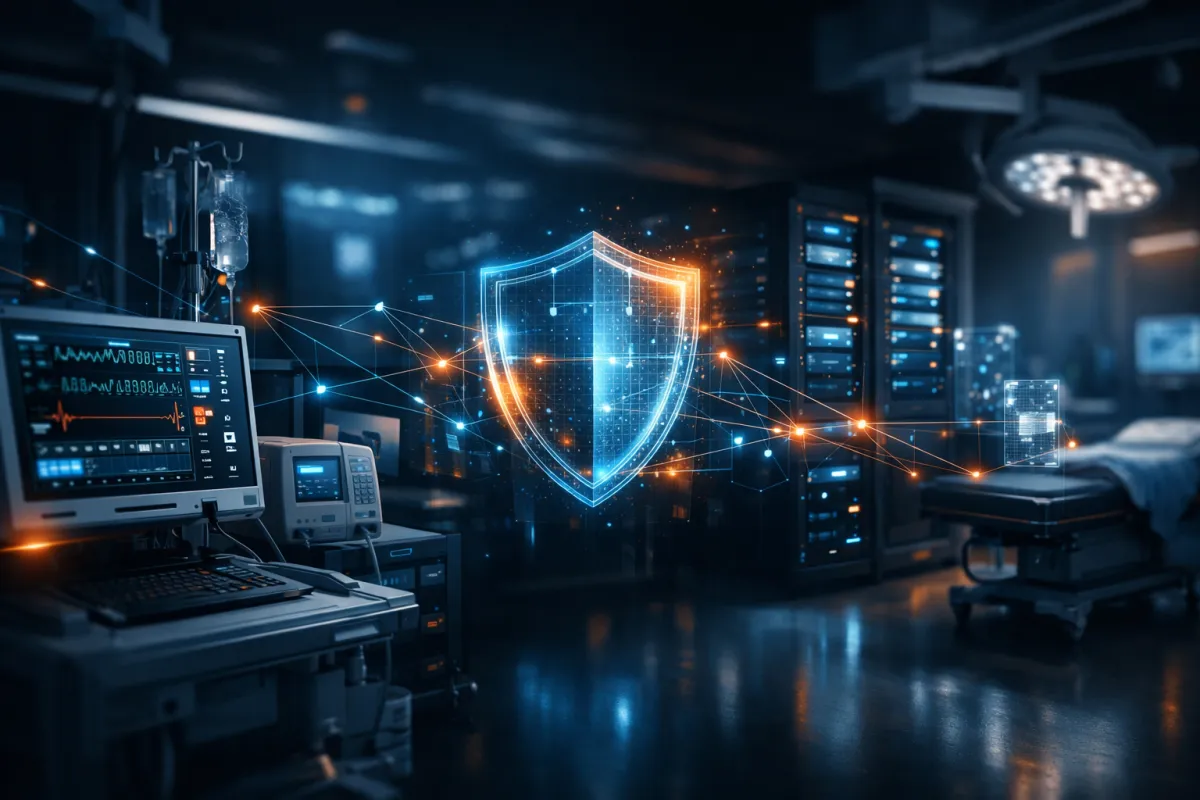
In today’s rapidly evolving digital environment, technology and security have become essential components of nearly every industry. Few sectors, however, face higher stakes than healthcare. As medical organizations increasingly rely on electronic health records, connected medical devices, telehealth platforms, and cloud-based systems, the importance of healthcare IT security continues to grow.
With patient information becoming more digitized and healthcare systems becoming more interconnected, the risks associated with cyber threats are also increasing. Cybersecurity in the healthcare industry is no longer just an IT concern—it is a critical issue that directly impacts patient safety, regulatory compliance, and organizational trust.
Healthcare providers manage vast amounts of sensitive data while operating systems that must remain available at all times. A successful cyberattack can disrupt care delivery, compromise confidential patient records, and damage the reputation of healthcare organizations. Because of these risks, healthcare IT security should be a top priority for healthcare providers, administrators, policymakers, and patients alike.
In this article, we’ll explore why cybersecurity in the healthcare industry matters and what organizations can do to strengthen their defenses.
Sensitive Patient Data
One of the most important reasons healthcare IT security is essential is the large volume of sensitive patient information handled by healthcare organizations. Hospitals, clinics, and healthcare providers store and process data such as medical histories, diagnostic results, social security numbers, insurance records, billing information, and personal contact details.
Because this information is extremely valuable, healthcare organizations are prime targets for cybercriminals. Attackers often attempt to access this data to commit identity theft, insurance fraud, or financial crimes.
Protecting patient information is critical to maintaining privacy and trust. Data breaches not only expose confidential information but can also result in major financial losses. In fact, healthcare data breaches are among the most expensive of any industry. According to industry research, the average healthcare breach can exceed $10 million in damages.
Beyond financial impact, data breaches can severely damage patient trust and the reputation of healthcare providers. Strong cybersecurity strategies, secure infrastructure, and proactive monitoring are essential to safeguarding confidential information and maintaining the integrity of patient data.
Mitigating Cybersecurity Threats
Cyber threats targeting healthcare organizations continue to grow in both frequency and sophistication. Hospitals and healthcare networks often rely on complex IT environments that include legacy systems, third‑party applications, and interconnected devices. These environments can create vulnerabilities that cybercriminals attempt to exploit.
Without proper healthcare IT security protections, cyberattacks can disrupt hospital systems, delay patient treatments, and compromise critical healthcare operations. Ransomware attacks, for example, can lock healthcare providers out of their own systems until a payment is made—creating serious risks to patient care.
To protect their systems, healthcare organizations should implement layered cybersecurity strategies that include:
·Firewalls and advanced network protection
·Data encryption for sensitive records
·Intrusion detection and monitoring systems
·Routine software updates and patch management
·Multi‑factor authentication
·Employee cybersecurity awareness training
By implementing these measures, healthcare organizations can reduce vulnerabilities, detect threats earlier, and respond quickly to potential security incidents.
Regulatory Compliance and Legal Obligations
Healthcare organizations operate under strict regulatory requirements designed to protect patient privacy and ensure the secure handling of medical data. Compliance is a major component of cybersecurity in the healthcare industry.
Some of the most widely recognized regulations include:
·The Health Insurance Portability and Accountability Act (HIPAA)
·The General Data Protection Regulation (GDPR)
These regulations establish strict standards for how healthcare organizations collect, store, access, and share patient data. Failing to comply with these standards can result in substantial financial penalties, legal consequences, and reputational damage.
To maintain compliance and strengthen healthcare IT security, organizations should implement practices such as:
·Secure data storage and encryption
·Role‑based access controls
·Detailed audit logs and monitoring
·Ongoing vulnerability assessments
·Regular security risk evaluations
By aligning cybersecurity practices with regulatory standards, healthcare organizations can better protect patient data while avoiding costly compliance violations.
Emerging Technologies and New Security Risks
The healthcare industry continues to adopt new technologies designed to improve patient outcomes and streamline operations. Innovations such as cloud computing, artificial intelligence (AI), and Internet of Things (IoT) devices are transforming how healthcare providers deliver care.
While these technologies offer many advantages, they also introduce new cybersecurity challenges.
Connected medical devices, wearable health monitors, remote patient monitoring systems, and smart medical equipment all rely on network connectivity. If these devices are not properly secured, they can create new entry points for cybercriminals attempting to infiltrate healthcare systems.
Healthcare organizations must therefore evaluate the security implications of every new technology they implement. Conducting security assessments, implementing strong authentication controls, and continuously monitoring device activity are essential steps in protecting modern healthcare environments.
Partnering with experienced IT security professionals can also help organizations identify vulnerabilities and implement appropriate safeguards before new technologies are deployed.
Why Cybersecurity Matters for Healthcare Organizations
The importance of cybersecurity in the healthcare industry extends far beyond protecting data. Strong healthcare IT security directly supports operational continuity, patient safety, and long‑term organizational stability.
When healthcare organizations invest in robust cybersecurity strategies, they can:
·Protect sensitive patient information from unauthorized access
·Maintain compliance with regulatory requirements
·Reduce the risk of costly data breaches
·Safeguard medical devices and healthcare infrastructure
·Ensure uninterrupted patient care
As healthcare systems become more digital and interconnected, cybersecurity must remain a central part of IT strategy and organizational planning.
How Kevlar IT Solutions Supports Healthcare IT Security
Protecting sensitive patient information requires expertise, advanced tools, and a proactive security strategy. Healthcare organizations need a trusted technology partner that understands the unique cybersecurity challenges within the healthcare sector.
At Kevlar IT Solutions, we specialize in strengthening healthcare IT security through comprehensive cybersecurity services designed specifically for healthcare environments. Our team works closely with healthcare providers to evaluate their existing IT infrastructure, identify vulnerabilities, and implement security solutions that protect critical systems and patient data.
From security assessments and compliance support to network monitoring and threat detection, Kevlar IT Solutions helps healthcare organizations build a resilient and secure IT environment.
Frequently Asked Questions (FAQs)
What is cybersecurity in the healthcare industry?
Cybersecurity in the healthcare industry refers to the technologies, processes, and strategies used to protect healthcare systems, patient records, and medical devices from cyber threats, unauthorized access, and data breaches.
Why is healthcare IT security so important?
Healthcare IT security protects sensitive patient data, ensures regulatory compliance, prevents system disruptions, and helps healthcare organizations maintain patient trust.
What are common cybersecurity threats in healthcare?
Healthcare organizations commonly face threats such as ransomware attacks, phishing scams, insider threats, data breaches, and vulnerabilities in connected medical devices.
How can healthcare organizations improve their cybersecurity?
Healthcare providers can strengthen healthcare IT security by implementing layered security systems, conducting regular risk assessments, encrypting sensitive data, training employees on cybersecurity awareness, and partnering with experienced IT security providers.
What regulations govern healthcare cybersecurity?
Healthcare organizations must comply with regulations such as HIPAA in the United States and GDPR internationally, both of which establish strict guidelines for protecting patient data and privacy.
Strengthen Your Healthcare Cybersecurity Strategy
Cyber threats targeting healthcare organizations continue to grow, making strong healthcare IT security more critical than ever. Protecting patient data, maintaining compliance, and ensuring system resilience require a proactive and strategic approach to cybersecurity.
Kevlar IT Solutions can help you evaluate your IT infrastructure, identify vulnerabilities, and implement the security measures needed to protect your healthcare organization.
Download Our Healthcare Cybersecurity eGuide
Understanding the risks facing modern healthcare systems is the first step toward building a stronger security strategy. To help healthcare organizations better protect their systems and patient data, Kevlar IT Solutions has created a comprehensive Healthcare Cybersecurity eGuide.
In this eGuide, you’ll learn:
·The most common cyber threats targeting healthcare organizations
·Best practices for strengthening healthcare IT security
·How to improve compliance with healthcare data protection regulations
·Practical strategies for protecting connected medical devices and patient data
Download the Healthcare Cybersecurity eGuide today to gain expert insights and practical guidance on protecting your healthcare organization from evolving cyber threats.
If you’re ready to take the next step, contact Kevlar IT Solutions today to learn how we can help strengthen your cybersecurity posture and safeguard your healthcare systems.
Source: Healthcare data breaches cost an average of $10.1M more than any other industry